The case against seed oils isn't just about what to avoid, it's about what to use instead. The good news is that the alternatives are not exotic health food store products. They're the fats people cooked with for thousands of years before industrial vegetable oil showed up.
Why saturated fat got a bad reputation (and why that's changing)
For about fifty years, saturated fat was treated as a dietary villain, the thing that clogged arteries and caused heart disease. That belief shaped the entire packaged food industry and pushed people toward seed oils as "heart-healthy" alternatives.
The problem: the original research behind that claim, the Lipid Hypothesis, developed in the 1950s by Ancel Keys, has been substantially challenged. Subsequent analysis of the original data found significant cherry-picking of countries that fit the hypothesis. More recent meta-analyses have not found a strong link between saturated fat consumption and cardiovascular outcomes when refined carbohydrates and seed oils are also accounted for.
Meanwhile, the products that replaced saturated fat, partially hydrogenated seed oils and margarine, turned out to contain trans fats, which do have a strong link to heart disease. The FDA banned trans fats in 2018.
The functional nutrition view: saturated fat from real food sources (butter, ghee, tallow, coconut oil) is not the problem it was made out to be. Trans fats are. Industrial seed oils, through the omega-6 overload they create, are.
The fats that replaced butter and lard, margarine, shortening, vegetable oil, turned out to contain trans fats. The cure was worse than the disease.
What makes a cooking fat good
Three things matter when evaluating a cooking fat:
The alternatives, one by one
Organized by best use. Smoke point matters, the wrong fat at the wrong temperature makes it worse, not better.
Beef tallow (grass-fed)
Best for fryingBest for: Deep frying, roasting, searing, potatoes. What McDonald's used before 1990.
Mostly saturated and monounsaturated fats, very stable at high temperatures. No omega-6 to oxidize. From grass-fed cattle, it also contains conjugated linoleic acid (CLA) and fat-soluble vitamins.
Ghee (clarified butter)
Highest smoke pointBest for: High-heat sautéing, frying, finishing sauces. Works anywhere butter would smoke.
Butter with the milk solids removed, which raises the smoke point dramatically and makes it shelf-stable. Rich in vitamins A, D, E, and K2. The clarification process also suits people who react to dairy proteins.
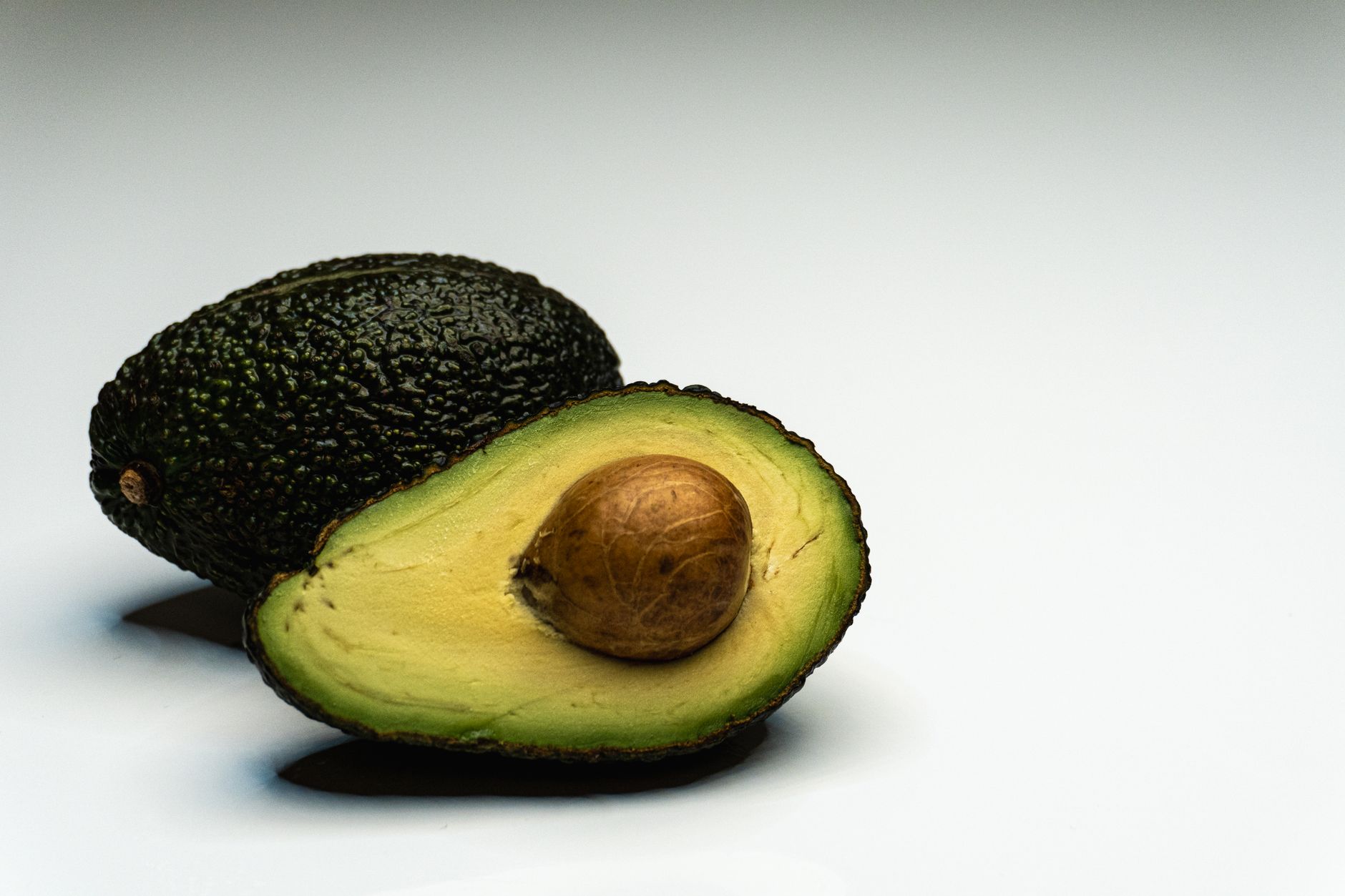
Avocado oil (cold-pressed)
Most versatileBest for: Stir-frying, grilling, high-heat roasting, dressings. The most versatile all-purpose option.
Over 70% oleic acid, the same monounsaturated fat that makes olive oil valuable. Stable at high heat and neutral in flavor. Cold-pressed versions retain the natural antioxidants. Look for 'cold-pressed' on the label; 'refined' versions are processed like seed oils.
Extra virgin olive oil
Best unheatedBest for: Dressings, drizzling, low-heat sautéing, finishing. The classic Mediterranean fat.
82% oleic acid (omega-9) with only 8% omega-6. Contains oleocanthal, a natural anti-inflammatory compound. Best used unheated or at low heat, oleocanthal breaks down above its smoke point. Always buy extra virgin, always check the harvest date.
Coconut oil (unrefined)
Very shelf-stableBest for: Baking, sautéing, smoothies, high-heat cooking with refined. Traditional cooking fat in tropical cuisines.
About 90% saturated fat, extremely shelf-stable. Rich in lauric acid, which has antimicrobial properties. The medium-chain fatty acids (MCFAs) in coconut oil go directly to the liver for energy rather than being stored as fat. Buy unrefined for maximum nutrition.
Grass-fed butter
Everyday cookingBest for: Sautéing, baking, finishing dishes. The everyday cooking fat for centuries.
Contains fat-soluble vitamins A, D, E, and K2, plus butyrate, a short-chain fatty acid that feeds the gut lining. Grass-fed butter has a higher CLA content than conventional. Will brown and smoke at high heat; switch to ghee when that's a concern.
Lard (pasture-raised)
Best for bakingBest for: Pie crusts, frying, tamales, roasting. Traditional baking fat before shortening took over.
About 45% oleic acid (same as olive oil), with some omega-3 if from pastured pigs. Produces an exceptionally flaky crust and holds up well to high heat. The reputation problem is historical marketing, lard was replaced by hydrogenated shortening (trans fats), which is far worse.
Our Pick
Fatworks Grass-Fed Beef Tallow
100% pasture-raised, rendered clean, no additives. This is what traditional high-heat cooking looks like. Works for frying, roasting, and as a flavor base.
Our Pick
4th & Heart Ghee
Grass-fed clarified butter with milk solids removed. High smoke point, rich flavor, shelf-stable. Available in original and flavored varieties.
Our Pick
Chosen Foods Avocado Oil (Cold-Pressed)
The benchmark brand for cold-pressed avocado oil. Neutral flavor, very high smoke point, works for everything from high-heat stir-fry to vinaigrettes.
Quick reference, what to use when
What about olive oil for cooking?
Olive oil is often debated. Its smoke point (~375°F) is lower than avocado oil or ghee, which makes it less ideal for very high heat. But the bigger concern is that oleocanthal, one of olive oil's most valuable anti-inflammatory compounds , is heat-sensitive.
For cooking at medium heat, olive oil is fine. For high-heat searing or frying, avocado oil or ghee are better choices. For dressings, drizzling, and finishing dishes, extra virgin olive oil is excellent, this is when you get the full nutritional benefit.
One caveat: quality matters enormously with olive oil. Fraud is common, dilution with cheaper oils is widespread. Look for a harvest date (not just a best-by date), a specific region of origin, and certification from the California Olive Oil Council or similar body.
The practical transition
You don't have to replace everything at once. The highest-leverage change: stop deep-frying in seed oils and use tallow or avocado oil instead. After that, swap the bottle of vegetable oil in your pantry for cold-pressed avocado oil. Then add ghee or butter for sautéing.
Restaurant food is harder to control, which is why the chain guides on this site exist, to help you find options that are already cooked in better fats, or to know what to order when they're not.