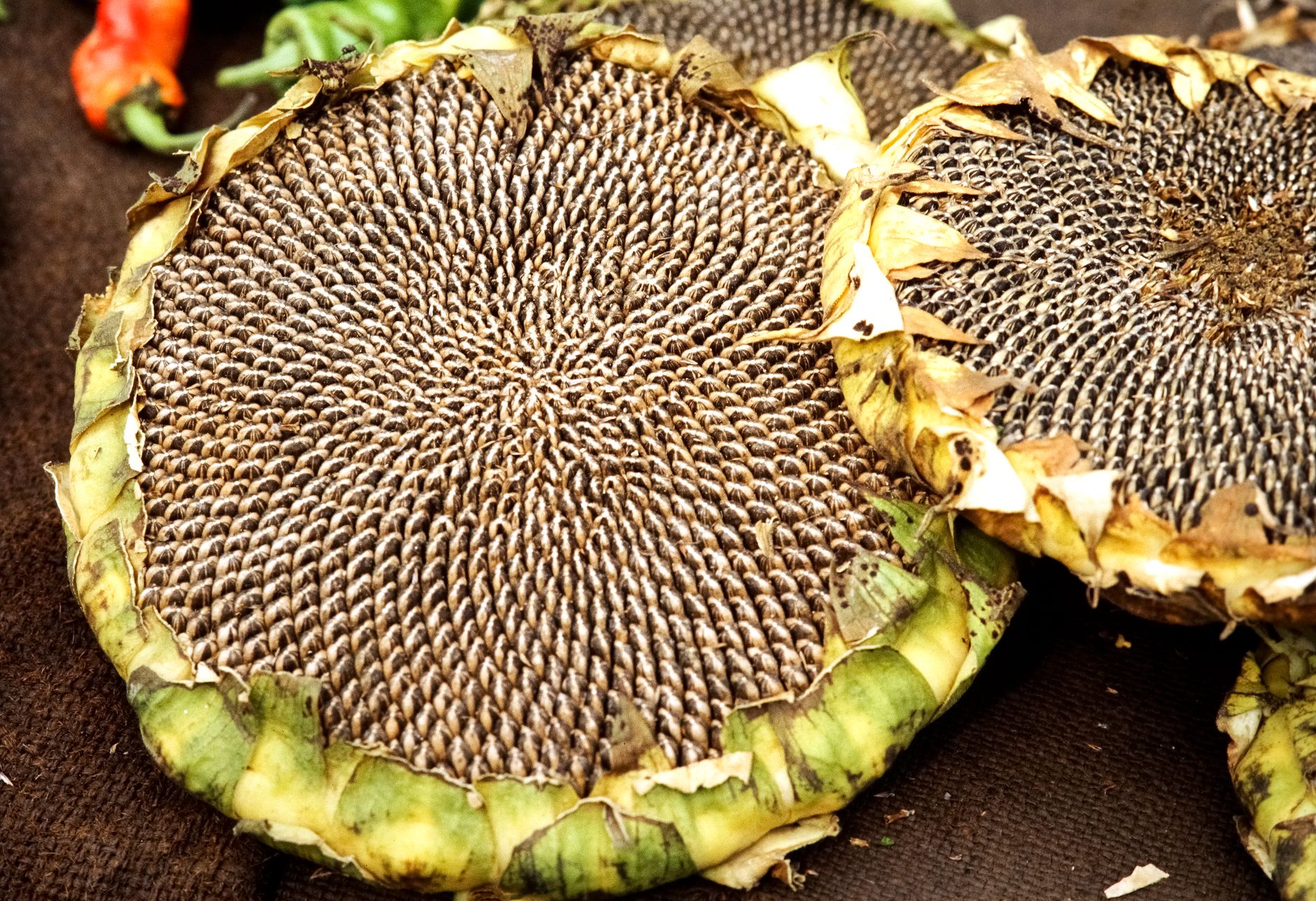
The short answer: seed oils are fats extracted from seeds, soybeans, sunflower, corn, canola, using industrial heat and chemical solvents. They're in almost every restaurant kitchen and most packaged food. And a growing number of people are cutting them out, for reasons that are worth understanding.
The quick definition
A seed oil is any oil pressed or extracted from the seed of a plant. The oils most commonly discussed in the context of food quality are the industrially processed ones: soybean, corn, sunflower, safflower, canola, cottonseed, grapeseed, and rice bran. These are the fats you'll find in most deep fryers, bottled dressings, and packaged snacks.
Not all seed-derived oils are the same. Cold-pressed flax oil, hemp oil, and walnut oil are technically from seeds, but they're handled very differently and used very differently, we'll come back to that distinction.
How industrial seed oils are made
Getting oil out of a soybean or a kernel of corn isn't simple. The seeds are tiny and their oil content is low. To extract meaningful quantities, manufacturers use a combination of high heat, mechanical pressing, and chemical solvents , typically hexane, a petroleum derivative.
The crude oil that comes out is dark, smells bad, and would taste worse. So it goes through additional processing: bleaching to remove color, deodorizing at very high temperatures to eliminate the smell, and refining to extend shelf life. By the end, the oil is clear and flavorless, and stripped of the natural vitamins and antioxidants that were in the original seed.
This is important because the high heat applied during extraction and processing damages the delicate polyunsaturated fats in the oil. Damaged fats produce oxidized molecules that behave differently in the body than unprocessed fats.
The omega-6 problem
Every fat in your diet is made up of fatty acids, and two of those, omega-3 and omega-6, are essential. Your body can't make them; you have to eat them. They also need to be in rough balance with each other.
Omega-3 fatty acids are anti-inflammatory. Omega-6 fatty acids, consumed in excess, are pro-inflammatory. The ratio that traditional diets maintained was somewhere between 1:1 and 1:2.5 (omega-6 to omega-3). The typical modern American diet now runs anywhere from 12:1 to 40:1, heavily weighted toward omega-6.
Seed oils are the main driver of that shift. Soybean oil, sunflower oil, corn oil, and safflower oil are all extremely high in linoleic acid, the most common omega-6. Consuming them in the quantities they appear in restaurant food and packaged products floods the body with omega-6 while the omega-3 side of the equation stays flat.
That imbalance matters because omega-6 fatty acids convert to pro-inflammatory signaling molecules in the body. When the ratio tips heavily toward omega-6, the body's inflammatory response becomes harder to regulate. Chronic low-grade inflammation has been linked to a long list of modern health problems, from cardiovascular disease to metabolic issues to joint pain.
The ideal omega-6 to omega-3 ratio for long-term health is around 1:1 to 1:2.5. Modern diets commonly run 12:1 to 40:1, driven largely by seed oil consumption.
The eight industrial seed oils to know
These are the oils most commonly meant when people say "seed oils." Avoiding them means reading ingredient labels and asking questions at restaurants.
What about canola? It's not technically a seed oil.
Canola oil is mostly monounsaturated, not polyunsaturated, which leads some people to treat it differently from soybean or sunflower. The concern with canola is different but equally real.
Canola is made from the seed of the rapeseed plant, almost entirely from genetically modified varieties. Raw rapeseed contains erucic acid, a compound associated with heart damage, which required genetic modification to reduce. Like other refined oils, canola goes through bleaching, deodorizing, and high-heat processing. And when canola's omega-3 content is exposed to high cooking temperatures, those fats oxidize, producing compounds that behave very differently in the body than fresh omega-3 fatty acids.
The FDA has banned canola oil for use in infant formula. For adults, the functional nutrition perspective is simple: it has no nutritional benefit that couldn't be better met by a less processed oil, and there are real concerns about its processed form.
What's not a seed oil, and why that matters
Olive oil, avocado oil, coconut oil, and animal fats like beef tallow and lard are not seed oils. They're extracted in ways that don't require industrial solvents or extreme heat, and their fatty acid profiles look very different.
Flax oil, hemp oil, and walnut oil are technically pressed from seeds, but they're cold-pressed, minimally processed, and consumed cold, not used for frying. Their omega-3 content actually helps counterbalance omega-6 intake. That's the opposite effect from the industrial seed oils.
The distinction that matters isn't just "is it from a seed" but "how was it made and what does it do in the body."
Better alternatives at a glance
Why this shows up at restaurants
Industrial seed oils became dominant in restaurant kitchens for practical reasons: they're cheap, shelf-stable, and have high smoke points that make them useful for deep frying. A five-gallon jug of soybean oil costs a fraction of what high-quality tallow or avocado oil would cost at the same volume.
That's why avoiding seed oils when eating out requires knowing which chains and restaurants make different choices, not just assuming that "healthy" restaurants use healthy oils. Many fast-casual chains with otherwise clean menus still cook in rice bran oil, sunflower oil, or canola.