



How this guide works: We only list restaurants with publicly available ingredient information or confirmed via direct inquiry. Restaurant formulations change. Verify with the restaurant before making health decisions.
Austin's food culture sits at an unusual intersection: a serious BBQ tradition built on wood-smoked meats and animal fat, a growing farm-to-table scene in East Austin, and a wellness community that has driven demand for clean-ingredient restaurants. For seed-oil-conscious diners, Austin offers more options than most mid-sized cities.
Restaurants that avoid seed oils
Dai Due operates a full butchery and restaurant that cooks entirely with traditional animal fats — lard, tallow, and butter from animals they source directly. Their menu changes with the season and is built around whole-animal utilization. One of the best seed-oil-free dining experiences in Austin. Dinner reservations fill quickly.
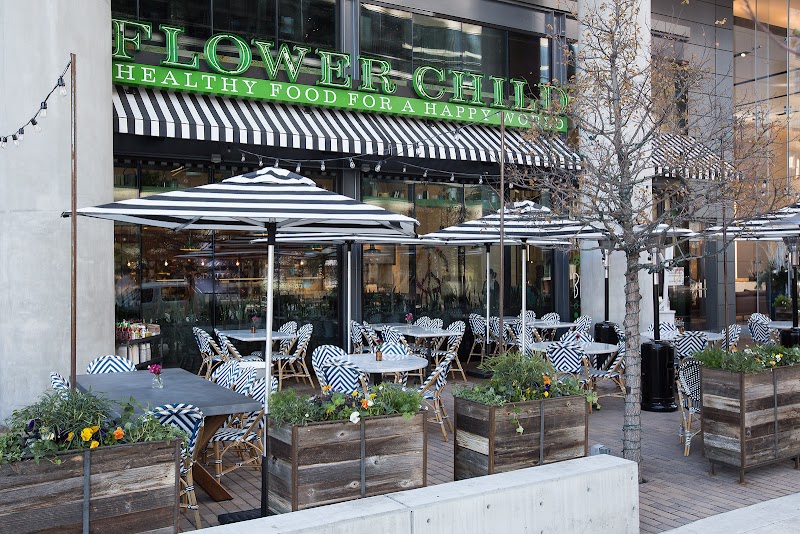
Flower Child's menu is built around clean ingredients. They use olive oil and avocado oil across their menu and avoid refined seed oils. Multiple Austin locations. Their published ingredient information confirms the oil usage. Good for lunch and quick weeknight dinners.
True Food Kitchen uses olive oil throughout their menu as part of their anti-inflammatory dietary philosophy. Their ingredient transparency is above average for a chain restaurant. The Domain location is accessible from North Austin.
Franklin's brisket is smoked over post oak with nothing but beef fat rendering as the cooking medium — no added oil. The meat itself is clean from a seed-oil standpoint. Sides vary; the beans and coleslaw should be confirmed. Worth the line for the brisket alone.
Sweetgreen uses olive oil and avocado oil in their dressings per their published ingredient documentation. One of the few fast-casual chains with documented non-seed-oil cooking fats.
Austin BBQ and seed oils
Traditional Texas BBQ is one of the cleanest restaurant categories from a seed-oil standpoint. The smoking process uses wood heat and the meat's own rendered fat as the cooking medium. No fryer, no canola oil, no vegetable shortening in a properly-run Texas BBQ operation.
The caveat is sides. Coleslaw may be made with mayonnaise containing soybean oil. Beans sometimes have added oils. Potato salad varies. If you're ordering at Franklin, La Barbecue, or Micklethwait, the meat is almost certainly clean — ask your server about the sides if they matter to you.
Neighborhoods with the most clean-eating options
Frequently asked questions
Are there seed oil free restaurants in Austin?
Yes. Austin has a strong farm-to-table restaurant culture and several spots that explicitly avoid refined seed oils. Flower Child uses olive oil and avocado oil. Dai Due, a local butcher and restaurant, cooks with lard and tallow from their own butchery operation. True Food Kitchen has an Austin location. Independent farm-to-table spots in East Austin and South Congress often use butter and olive oil.
Does Dai Due in Austin avoid seed oils?
Dai Due is one of the best options in Austin for seed-oil-conscious diners. They operate a full butchery and cook with traditional animal fats from their own operation. Their menu is built around whole animals and seasonal ingredients. Lard, tallow, and butter are standard in their kitchen. Call ahead to confirm current offerings.
What cooking oils do Austin BBQ restaurants use?
Traditional Texas BBQ is cooked over wood with the meat's own fat dripping — no added cooking oil in the smoking process. Most Austin BBQ institutions (Franklin, La Barbecue, Micklethwait) smoke without vegetable oil. Sides may vary — ask specifically about beans, coleslaw, and potato dishes if seed oil avoidance is your priority.
Which Austin neighborhoods have the most clean-eating options?
East Austin has a strong independent restaurant scene with ingredient-conscious kitchens. South Congress (SoCo) has Flower Child and several farm-to-table cafes. The Domain area has True Food Kitchen. North Loop and the Mueller neighborhood have farmers market culture that supports local sourcing.
