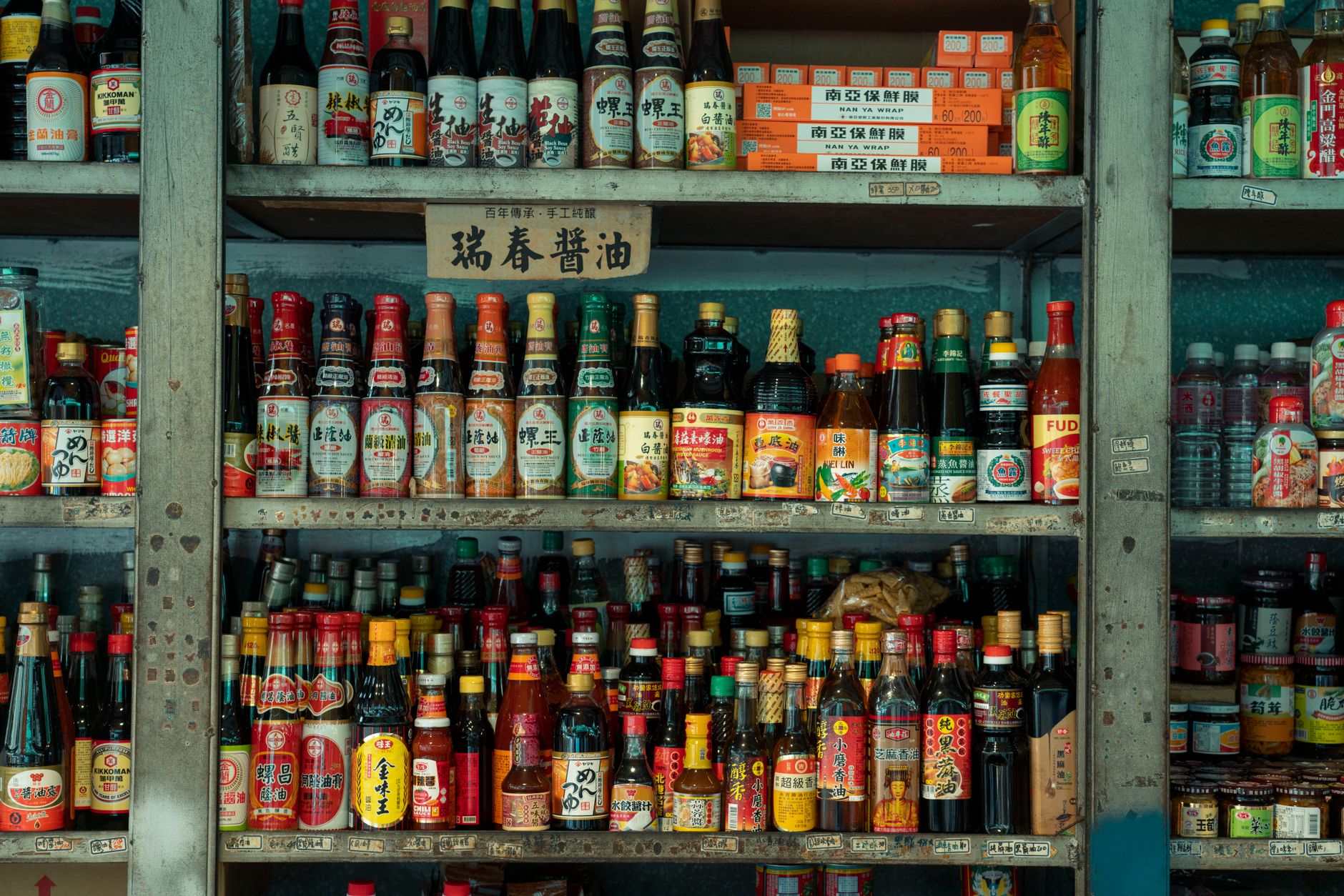
The oils to avoid are the industrially processed ones, extracted with heat and chemical solvents, high in omega-6 linoleic acid, and nearly impossible to avoid in restaurant food without knowing where to look. The oils that are fine share one trait: they're minimally processed and their fatty acid profiles support, rather than undermine , the body's ability to regulate inflammation.
Oils to avoid
These appear on restaurant menus and food labels under various names. Learn to spot them.
| Oil | Where you'll find it | Omega-6 load |
|---|---|---|
| Soybean oil | Everywhere, the most common restaurant and packaged-food oil in the US | Very high |
| Canola oil | Restaurants, dressings, baked goods, 'heart-healthy' products | Moderate (but heavily refined GMO rapeseed, avoid) |
| Corn oil | Deep fryers, margarine, Wesson-style cooking oils | Very high |
| Sunflower oil | Chips, crackers, 'vegetable oil' on labels, salad dressings | Extremely high |
| Safflower oil | Dressings, some 'natural' packaged foods, mayo substitutes | Extremely high |
| Cottonseed oil | Fried foods, restaurant fryers, some peanut butters | High |
| Grapeseed oil | High-end restaurants, specialty food stores marketed as 'clean' | Very high |
| Rice bran oil | Fast-casual chains (Chipotle), Asian cuisine, some 'natural' brands | High |
| Vegetable oil | Catch-all term, almost always a blend of the above | Very high |
| Margarine / shortening | Baked goods, spreads, partially hydrogenated = trans fats | High + trans fats |
How to spot them on labels
- •"Vegetable oil", almost always soybean, corn, or a blend of both
- •"Expeller-pressed" or "refined" before any of the above, still seed oil
- •"High-oleic" sunflower or safflower, slightly better omega profile, still refined
- •"Partially hydrogenated" anything, trans fats; the worst category
- •Restaurants that list "cooked in vegetable oil", assume seed oil
Oils and fats that are fine
These share a common trait: they're minimally processed, and their fatty acid profiles don't flood the body with omega-6. Most have been used as food for centuries.
Seed-derived oils that are actually fine (with context)
These come from seeds, but they're cold-pressed, minimally processed, and used cold. They tend to increase omega-3 intake rather than omega-6, the opposite of industrial seed oils.
The simple rule
If an oil was made in a factory with heat and solvents to extract it from a tiny seed, and if it's been refined, bleached, and deodorized to sit on a shelf for a year, it's worth avoiding. If you can picture how it was pressed, olives squeezed, cream churned, fat rendered from beef, it's likely a better choice.