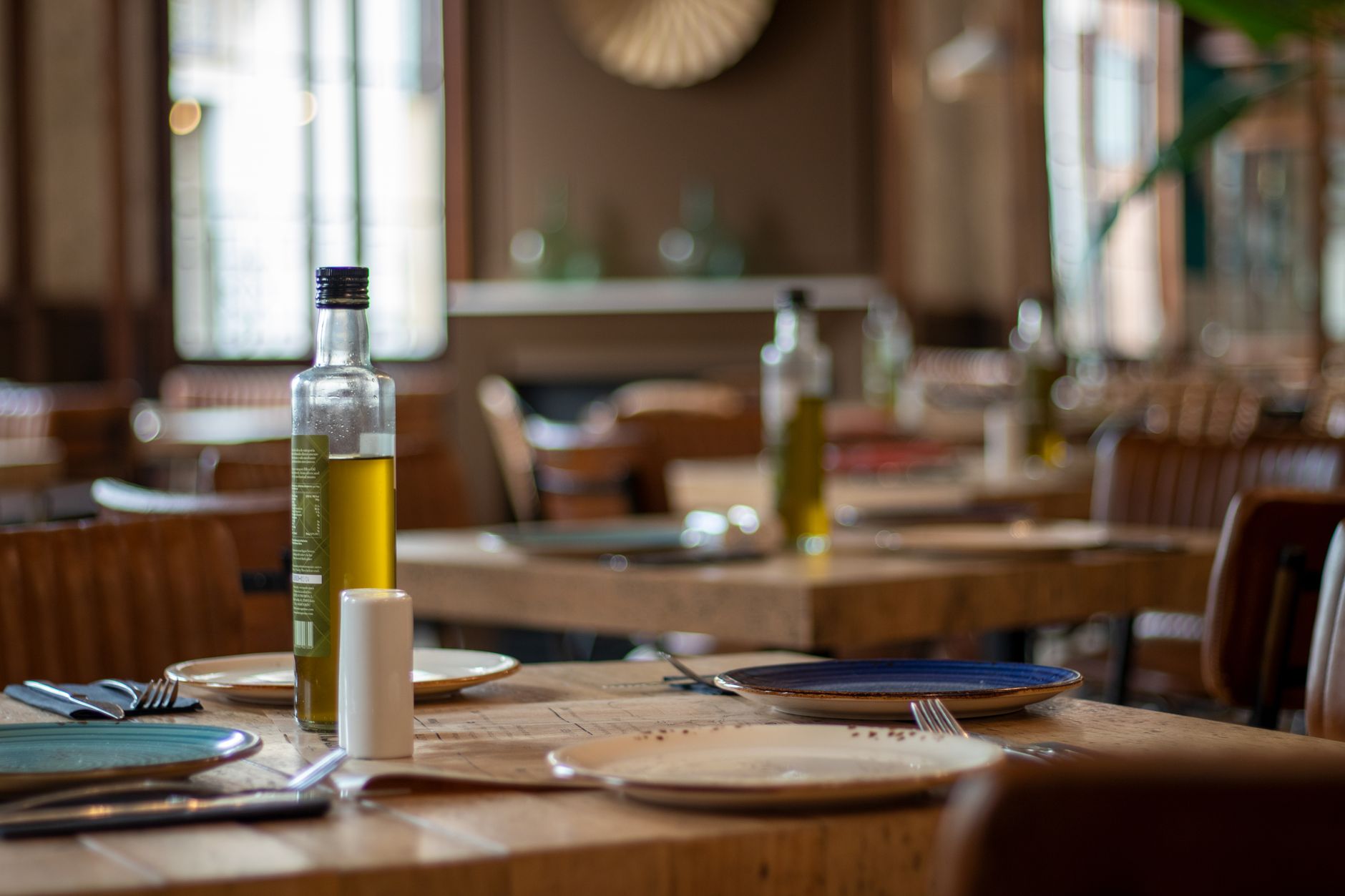
Extra virgin olive oil has one of the strongest bodies of evidence of any dietary fat. The Mediterranean diet data consistently shows better cardiovascular and metabolic outcomes, and olive oil is the primary fat source. The problem is that a significant portion of the olive oil sold in supermarkets isn't what the label says.
Why olive oil is different from seed oils
Extra virgin olive oil is approximately 82% oleic acid, a monounsaturated omega-9 fat. It's only about 8% omega-6 linoleic acid. That ratio is nearly the opposite of seed oils, which are 40–70% omega-6.
EVOO also contains a compound called oleocanthal, a natural anti-inflammatory that inhibits the same enzymes as ibuprofen. It's present in genuinely fresh extra virgin oil and is responsible for the throat-burning sensation you get from high-quality olive oil. No throat burn means no oleocanthal, which usually means either low quality or old oil.
The polyphenol content in real EVOO adds antioxidant protection both to the oil itself (making it more stable) and to the person consuming it. Refined olive oil has had most of these polyphenols stripped out, it's a meaningfully inferior product.
The fraud problem
A 2011 UC Davis study found that 69% of imported EVOO samples from supermarkets failed to meet international standards for extra virgin grade, meaning they were either rancid, adulterated with cheaper refined oils, or made from lower-grade olives that wouldn't qualify as extra virgin.
The most common adulterants are refined olive oil (cheaper, made from low-quality olives) and seed oils like canola or sunflower, which are sometimes colored with chlorophyll to mimic EVOO's green tint. More recent audits have shown the problem persists, particularly with cheaper imported products.
The fraud is economic: real EVOO is labor-intensive to produce and has a short optimal freshness window. Diluting with cheaper oils while labeling as EVOO is profitable and difficult for consumers to detect without chemical analysis.
69% of imported EVOO samples in major US supermarkets failed to meet extra virgin standards, rancid, adulterated with cheaper oils, or both. Buying well matters.
How to find authentic EVOO
Brands that have passed testing
The UC Davis studies and subsequent audits identified these brands as consistently authentic. This isn't a complete list, smaller producers with COOC certification are also excellent options.
Our Pick
California Olive Ranch, Top Pick
Consistently passes third-party testing, displays harvest date on bottle, COOC certified. Widely available, fairly priced. Their 'Everyday' line is good; their single-estate varieties are excellent. The most reliable mainstream option.
Our Pick
Cobram Estate California EVOO
Australian company, California-grown product. Passed UC Davis testing with high quality scores. Excellent polyphenol content. Harvest date always displayed. Slightly more robust flavor than California Olive Ranch.
Our Pick
Kirkland Signature Organic EVOO (Costco)
Not available on Amazon individually, but worth mentioning: the Costco EVOO has consistently passed testing in multiple audits. If you have a Costco membership, this is one of the best value-for-quality options available.
How to use olive oil
The smoke point debate around olive oil is often overstated. EVOO has a smoke point of around 375°F, lower than avocado oil or ghee, but adequate for most home cooking. The concern is less about the smoke point and more about the heat-sensitivity of its beneficial compounds: oleocanthal degrades at high temperatures, and the polyphenols that protect the oil also break down with prolonged heat.
For the most nutritional benefit, use olive oil for dressings, dipping, and as a finishing drizzle. For medium-heat sautéing, it's fine. For high-heat searing or frying, switch to avocado oil, ghee, or tallow, which are better suited to that use and preserve the olive oil for where it's most valuable.