



How this guide works: We only list restaurants that either publish their ingredient information publicly or have been confirmed via direct inquiry. We don't guarantee ingredient accuracy — restaurant suppliers change. Verify with the restaurant before making health decisions.
New York City has more dining options than anywhere in the country, which makes finding seed-oil-free restaurants both easier and harder. Easier because the city has a strong farm-to-table culture and high demand for ingredient transparency. Harder because most fast-casual chains, even well-branded ones, still fry in canola or soybean oil.
Restaurants that avoid seed oils
Hu Kitchen is one of the only restaurants in New York that explicitly avoids refined seed oils as a policy. They cook with coconut oil and olive oil. The menu also avoids refined sugar, artificial additives, and gluten. Their published philosophy covers seed oils directly — this isn't a restaurant where you're reading between the lines.
Sweetgreen uses olive oil and avocado oil in their dressings per their published ingredient documentation. The warm bowls with chicken or steak are cooked with olive oil. No seed oils appear in their standard oil usage, though some limited-time menu items may vary. Check their ingredient page before ordering.
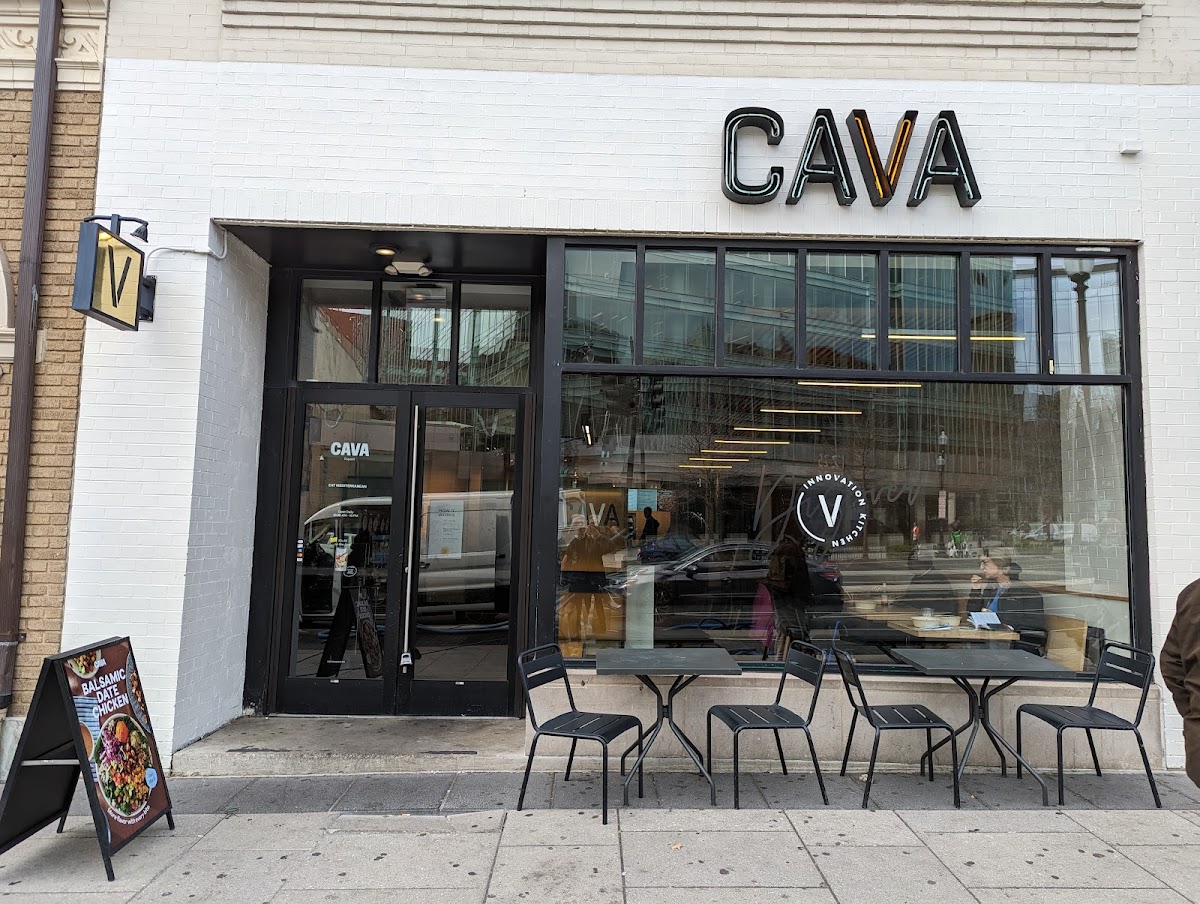
Cava uses olive oil as the primary cooking and dressing fat. Their hummus, falafel, and most dips are prepared with olive oil. Per their published information, their grilled proteins don't use seed oils. One of the better fast-casual options in NYC for avoiding canola and soybean oil.
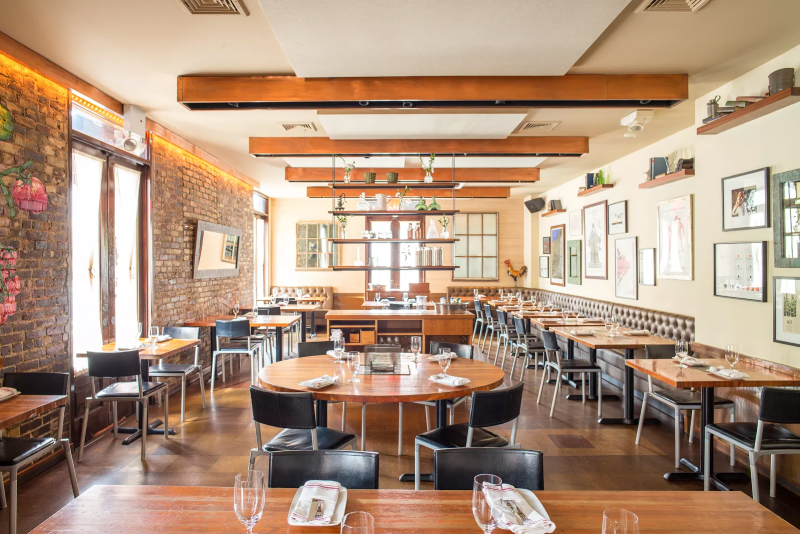
An LES fixture focused on British-inspired farm-to-table cooking. They source from small farms and cook predominantly with butter and olive oil. No fry operation — everything is roasted, braised, or sautéed. Ask your server to confirm current oil usage, but the kitchen's ethos aligns with traditional fats.
A vegetarian spot that has become a cult destination. They don't fry in seed oils and use high-quality cooking fats throughout. The menu is small and seasonal. Worth calling ahead to confirm current oil usage since the menu rotates frequently.
What to order at NYC chain restaurants
Most fast-casual chains in New York use canola or soybean oil in their fryers. The exceptions are Sweetgreen and Cava, both of which have documented seed-oil-free cooking fats. At Chipotle, the carnitas, barbacoa, and guacamole don't list seed oil contact. Starbucks beverages (coffee, espresso, dairy milk) have no seed oil.
If you're at a full-service restaurant in neighborhoods like West Village, Tribeca, or the Upper West Side, ask your server directly. Farm-to-table restaurants in these areas often use butter and olive oil as a matter of course, even if they don't market it as a seed-oil-free stance.
NYC neighborhoods with the most clean-eating options
How to order seed-oil-free in New York
New York is a city where asking about ingredients is normal. Kitchens here are used to allergy questions, dietary requests, and sourcing inquiries. Ask: "What oil do you cook with?" or "Does the kitchen use canola or vegetable oil?" A well-run kitchen will know the answer.
Avoid the fryer at any standard fast-casual restaurant — fry oil is almost universally canola or soybean in New York unless the restaurant explicitly states otherwise. Grilled, roasted, and sautéed items at farm-to-table restaurants are your best options.
Frequently asked questions
Are there seed oil free restaurants in New York City?
Yes. Several New York City restaurants use olive oil, avocado oil, or traditional animal fats as their primary cooking fat. Hu Kitchen (Manhattan) is one of the few restaurants that explicitly markets itself as seed-oil-free. Sweetgreen locations use olive oil and avocado oil in their dressings. Farm-to-table restaurants in the city often use butter and olive oil in cooking, though not all publish complete ingredient lists.
Which NYC restaurant chains avoid seed oils?
Sweetgreen uses olive oil and avocado oil in most dressings per their published ingredient documentation. Cava uses olive oil as the primary cooking fat. Beyond those, most fast-casual chains in New York use canola or soybean oil. Independent farm-to-table spots are your best option for full seed-oil avoidance.
What should I ask at a New York City restaurant to find out what oil they use?
Ask: 'What oil do you cook with?' Most well-run kitchens in New York can answer this. Upscale restaurants typically use olive oil and butter. If you're at a fast-casual spot, the fryer almost certainly uses canola or soybean oil unless they specifically advertise otherwise.
Does Hu Kitchen in NYC use seed oils?
Hu Kitchen is one of the few New York restaurants that explicitly avoids refined seed oils. They use coconut oil and olive oil in their cooking. They also avoid refined sugars and artificial additives. Check their current menu at hukitchen.com for the most up-to-date information.
More cities
