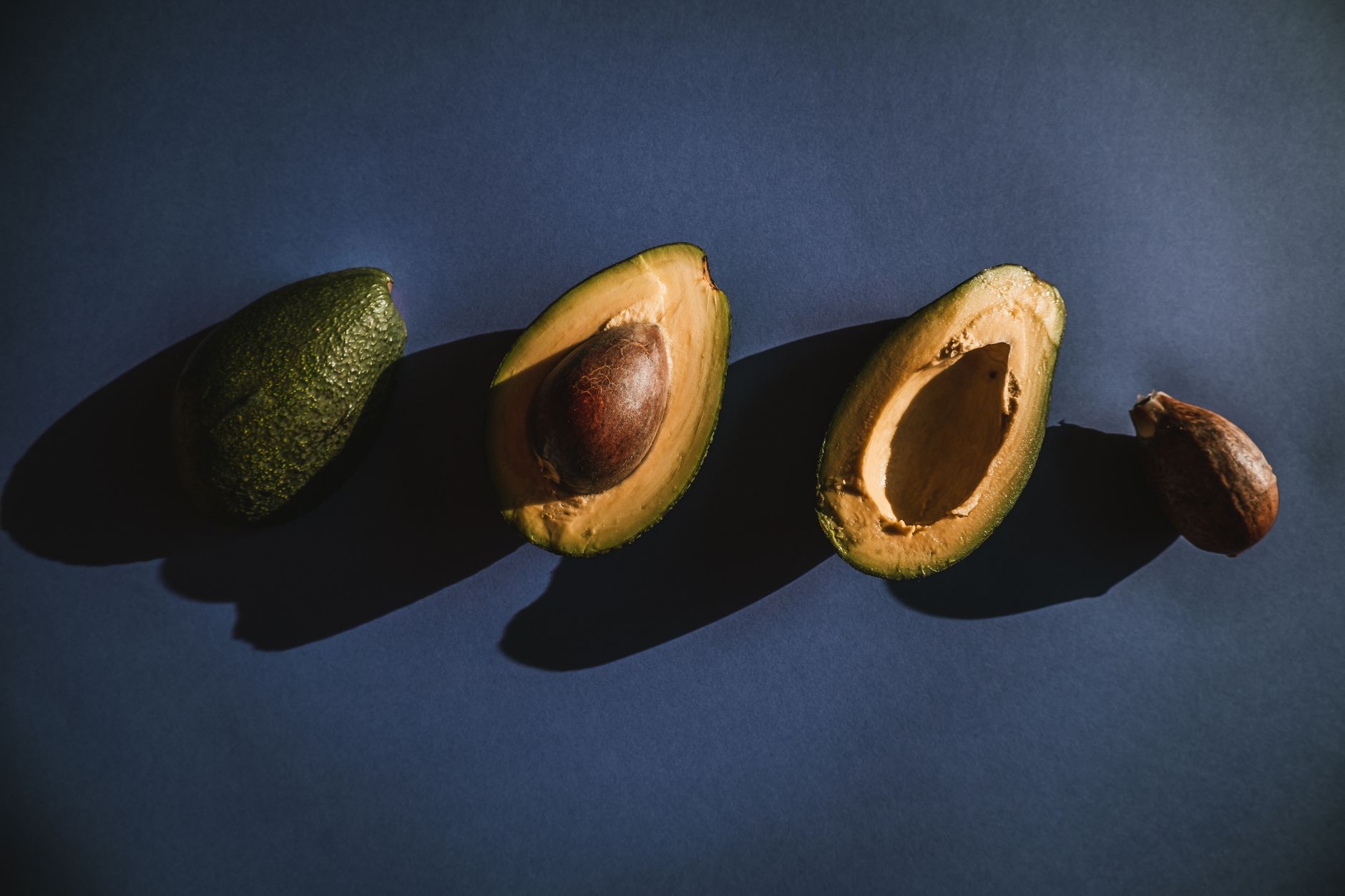
Avocado oil is one of the best cooking fats available, high smoke point, mostly monounsaturated fat, neutral flavor. The problem is the product you buy is often not what the label says. Understanding the fraud issue helps you find the real thing.
Why avocado oil is worth using
Cold-pressed avocado oil is around 70% oleic acid, the same monounsaturated fat that makes olive oil valuable. Unlike olive oil, it has a very high smoke point (up to 520°F for refined versions, around 480°F for cold-pressed), making it suitable for everything from high-heat stir-frying to dressings and dips.
Its fatty acid profile doesn't flood the body with omega-6. It's not high in omega-3 either, but at around 10–12% omega-6, it sits well below the seed oils it's meant to replace (sunflower oil is over 60% omega-6; soybean oil is around 55%).
Because it's neutral in flavor, it's genuinely all-purpose in a way that olive oil and coconut oil aren't, it doesn't add flavor you have to work around.
The adulteration problem
In 2020, researchers at UC Davis tested 22 commercial avocado oil products from grocery stores across the US. Their finding: over 82% of the samples were rancid before the expiration date, adulterated with other oils (soybean and safflower were the most common adulterants), or both.
A follow-up study found the same pattern. Some products labeled "pure avocado oil" contained as little as 3% actual avocado oil, with the rest being canola or soybean. This is the same oil you were trying to avoid.
The fraud is partly economic (avocados are expensive and the oil yield per fruit is relatively low) and partly regulatory (standards for avocado oil quality are not enforced as tightly as olive oil standards in some markets).
Over 82% of commercial avocado oil products tested by UC Davis in 2020 were rancid, adulterated with cheaper oils, or both, before the expiration date.
How to find authentic avocado oil
Brands that have passed independent testing
These brands were included in the UC Davis studies or have had independent third-party testing confirm authenticity and quality.
Our Pick
Chosen Foods 100% Pure Avocado Oil
One of the few brands that passed the UC Davis testing with confirmed purity. Cold-pressed, high oleic, neutral flavor. Their bottles are dark to prevent light oxidation. The standard recommendation for a reason.
Our Pick
Primal Kitchen Avocado Oil
Third-party tested, sourced from non-GMO avocados. Slightly higher price point but consistent sourcing transparency. Their spray version is convenient for coating pans. Available at most major retailers.
Our Pick
Marianne's Avocado Oil (Extra Virgin)
A smaller brand that sources from California and has been independently verified. The extra virgin designation here is meaningful, greener color, grassy smell, visible freshness. Best for dressings and cold use.
Cold-pressed vs. refined avocado oil
There are two main types, and both have a place:
For most home cooks, cold-pressed is the better choice, the smoke point difference rarely matters unless you're deep frying at very high temperatures. And you get more of the natural benefits of the oil.
Quick facts
More cooking oils