
How this guide works: We only list restaurants with publicly available ingredient information or confirmed via direct inquiry. Restaurant formulations change. Verify with the restaurant before making health decisions.
Portland has built its restaurant identity around local sourcing, seasonal ingredients, and independent kitchens. The city's proximity to Willamette Valley farms, Columbia River fish, and Oregon ranches has created a food culture where seed oils are less common than in most American cities — not because restaurants are explicitly avoiding them, but because quality-focused independent kitchens default to butter and olive oil.
Restaurants that avoid seed oils
An Argentine-inspired restaurant built around wood-fire asado cooking. The kitchen works with whole animals over an open wood fire — the cooking fat is the rendered fat from the meat itself, plus olive oil for finishing. No industrial oil in the primary cooking process. One of the most naturally seed-oil-free restaurants in Portland.
John Gorham's brunch institution uses a farm-to-table approach with whole ingredients and quality cooking fats. The kitchen is built around seasonal sourcing and traditional cooking methods. Call ahead to confirm current oil usage.
Sweetgreen uses olive oil and avocado oil in their dressings per their published ingredient documentation. Multiple Portland locations including Pearl District.
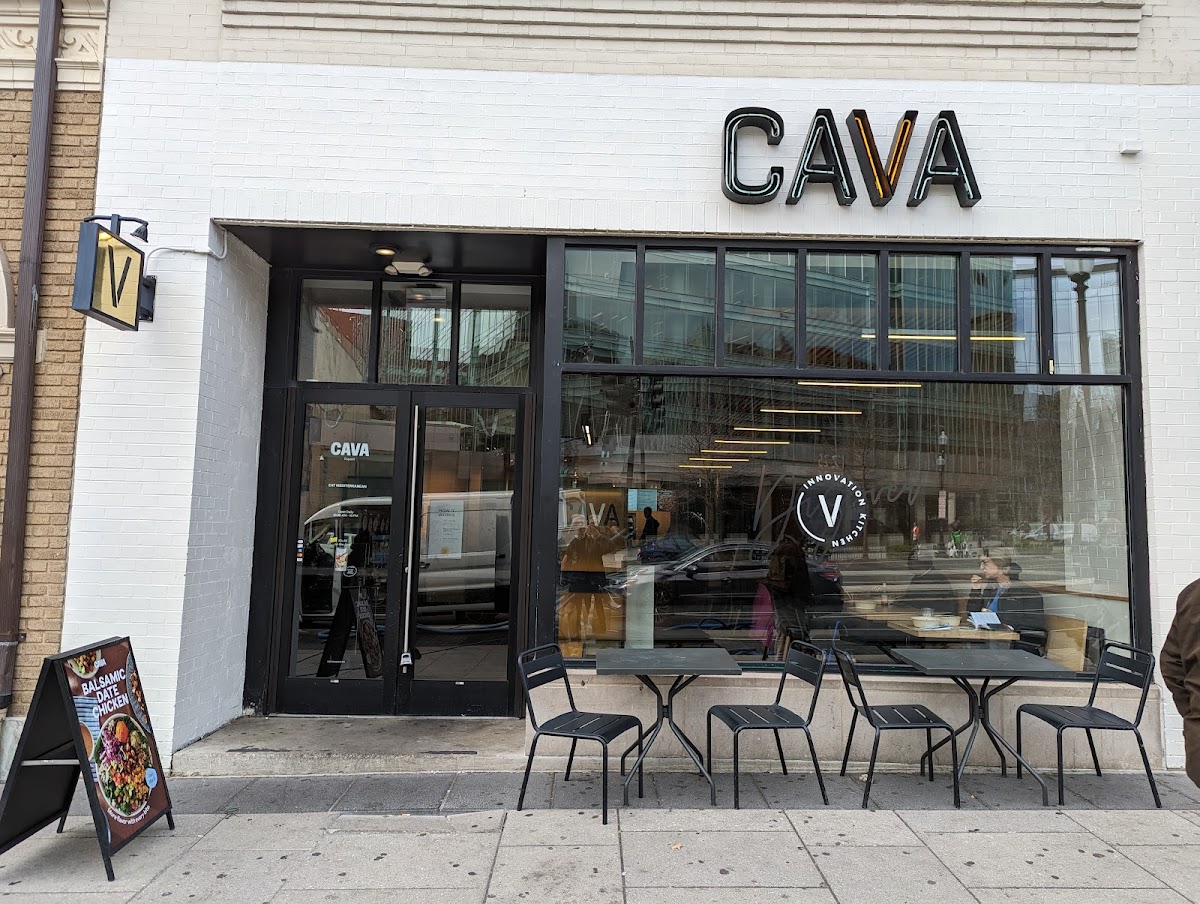
Cava uses olive oil as their primary cooking fat across the menu. A reliable fast-casual option for seed-oil-conscious diners in Portland.
A plant-forward restaurant on Division Street that works with local farms and uses quality cooking fats. Their kitchen avoids industrial oils. The menu changes with seasons. Confirm with the restaurant before visiting.
Frequently asked questions
Are there seed oil free restaurants in Portland?
Yes. Portland has one of the strongest farm-to-table restaurant cultures in the country. Restaurants like Ox (Argentine-inspired wood-fire cooking), Tasty n Daughters, and Tusk use traditional cooking fats. Sweetgreen and Cava have Portland locations. The city's strong farmers market culture (Portland Saturday Market, PSU Farmers Market) means most serious restaurants are sourcing locally and cooking with quality fats.
What is Ox restaurant's cooking fat?
Ox is an Argentine-inspired restaurant built around the asado tradition — wood-fire cooking. Their kitchen uses the rendered fat from meats cooking over the fire, plus olive oil. The cooking method by nature avoids industrial oils. Their menu features whole animals and whole ingredients. Call ahead to confirm current preparations.
Does Portland's food cart culture use seed oils?
Portland's food cart pods vary widely. Most frying at carts uses canola or vegetable oil for cost reasons. However, many Portland food carts are owner-operated and ingredient-conscious. Ask directly at each cart what they cook in. It's a normal Portland food interaction.
Which Portland neighborhoods have the most clean-eating restaurant options?
Alberta Arts District in NE Portland has independent ingredient-conscious restaurants. Division Street on the SE side has a strong farm-to-table scene. Northwest (NW 23rd) has upscale restaurants that tend to use quality cooking fats. The Pearl District has several health-conscious casual restaurants.
More cities
