
How this guide works: We only list restaurants with publicly available ingredient information or confirmed via direct inquiry. Restaurant formulations change. Verify with the restaurant before making health decisions.
Seattle's food culture is built on proximity — to Puget Sound salmon, Olympic Peninsula oysters, Skagit Valley farms, and one of the country's most active farmers market networks. This access to exceptional local ingredients has produced a restaurant scene that naturally gravitates toward simple preparations with quality fats, rather than masking inferior ingredients with seed oil-heavy sauces and frying.
Restaurants that avoid seed oils
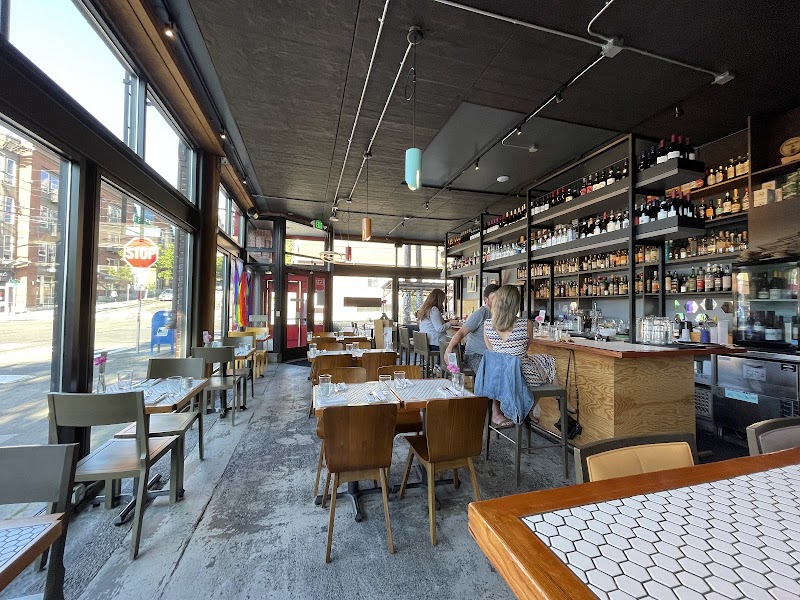
Renee Erickson's vegetable-forward restaurant uses a wood-fired oven as the center of their kitchen. The cooking philosophy is built around butter, olive oil, and animal fats rather than industrial oils. The menu changes with seasons and local sourcing. Call ahead to confirm current preparations.
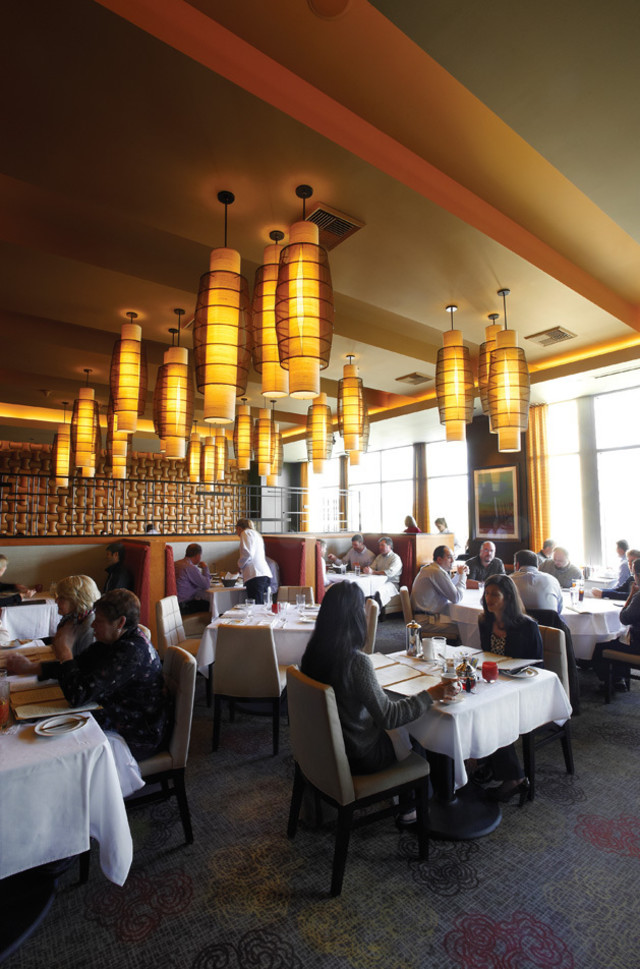
A Pacific Northwest landmark for farm-to-table cooking. Matt Dillon's kitchen works with local farms and uses traditional cooking fats. The menu is ingredient-driven and changes frequently. Their cooking philosophy aligns with butter and olive oil over industrial oils.
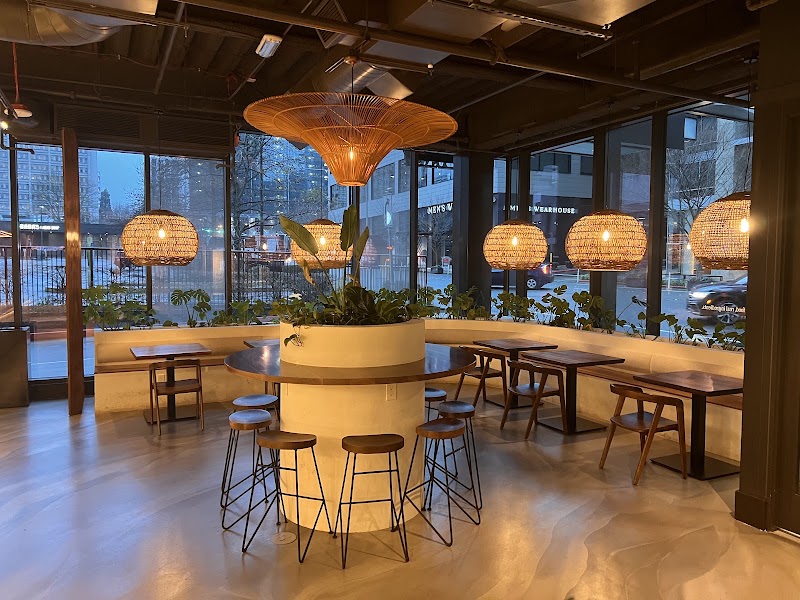
Sweetgreen uses olive oil and avocado oil in their dressings per their published ingredient documentation. Multiple Seattle locations including Capitol Hill, South Lake Union, and Bellevue.
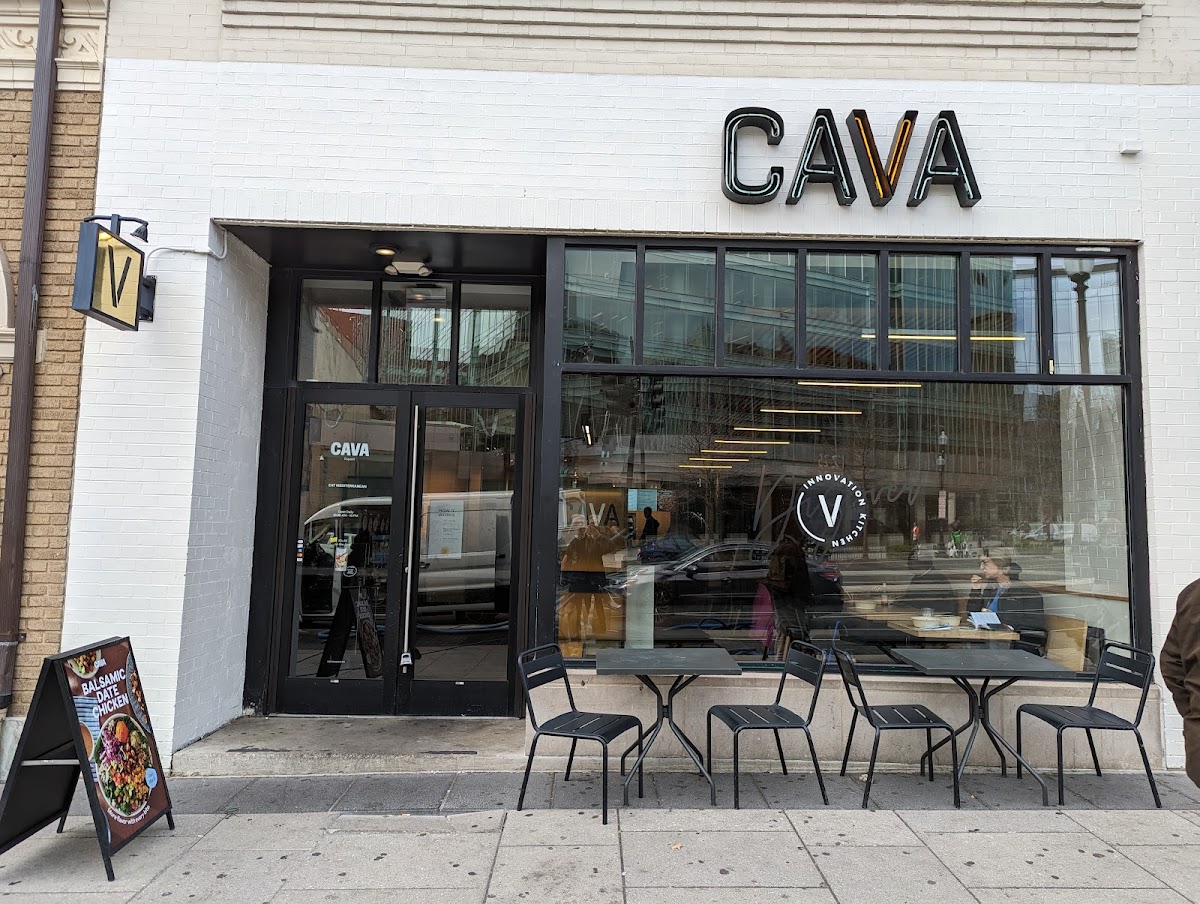
Cava uses olive oil as their primary cooking fat across the menu. A reliable fast-casual option for seed-oil-conscious diners in Seattle.
Another Renee Erickson restaurant with a Pacific Northwest seafood focus. Their kitchen is built around olive oil, butter, and whole ingredients. The wood fire cooking and simple preparations mean seed oils aren't in the picture for most of the menu. Confirm current preparations with the restaurant.
Frequently asked questions
Are there seed oil free restaurants in Seattle?
Yes. Seattle has a strong farm-to-table culture driven by proximity to Pacific Northwest farms, wild seafood, and one of the most active farmers market ecosystems in the country (Pike Place, Capitol Hill, Ballard, and more). Restaurants like The Whale Wins and Sitka & Spruce cook with butter and olive oil. Sweetgreen and Cava have multiple Seattle locations. The fish and seafood-forward culture means many restaurants rely on simple preparations with olive oil and butter.
Does Seattle's farm-to-table scene avoid seed oils?
Many of Seattle's established farm-to-table restaurants use butter and olive oil as their primary cooking fats, but not all explicitly advertise this. Restaurants in the Renee Erickson group (The Whale Wins, Barnacle, Westward) have a well-documented cooking philosophy built around traditional fats. Call ahead to any restaurant you're visiting to confirm current oil usage.
What about Seattle's seafood restaurants and seed oils?
Simple seafood preparations — grilled, poached, or pan-seared fish — typically use butter or olive oil. Fried seafood (fish and chips, fried oysters) is often cooked in canola or vegetable oil at standard restaurants. If you're looking for seed-oil-free seafood in Seattle, focus on grilled and pan-seared preparations and ask your server about the cooking fat.
Which Seattle neighborhoods have the most clean-eating restaurant options?
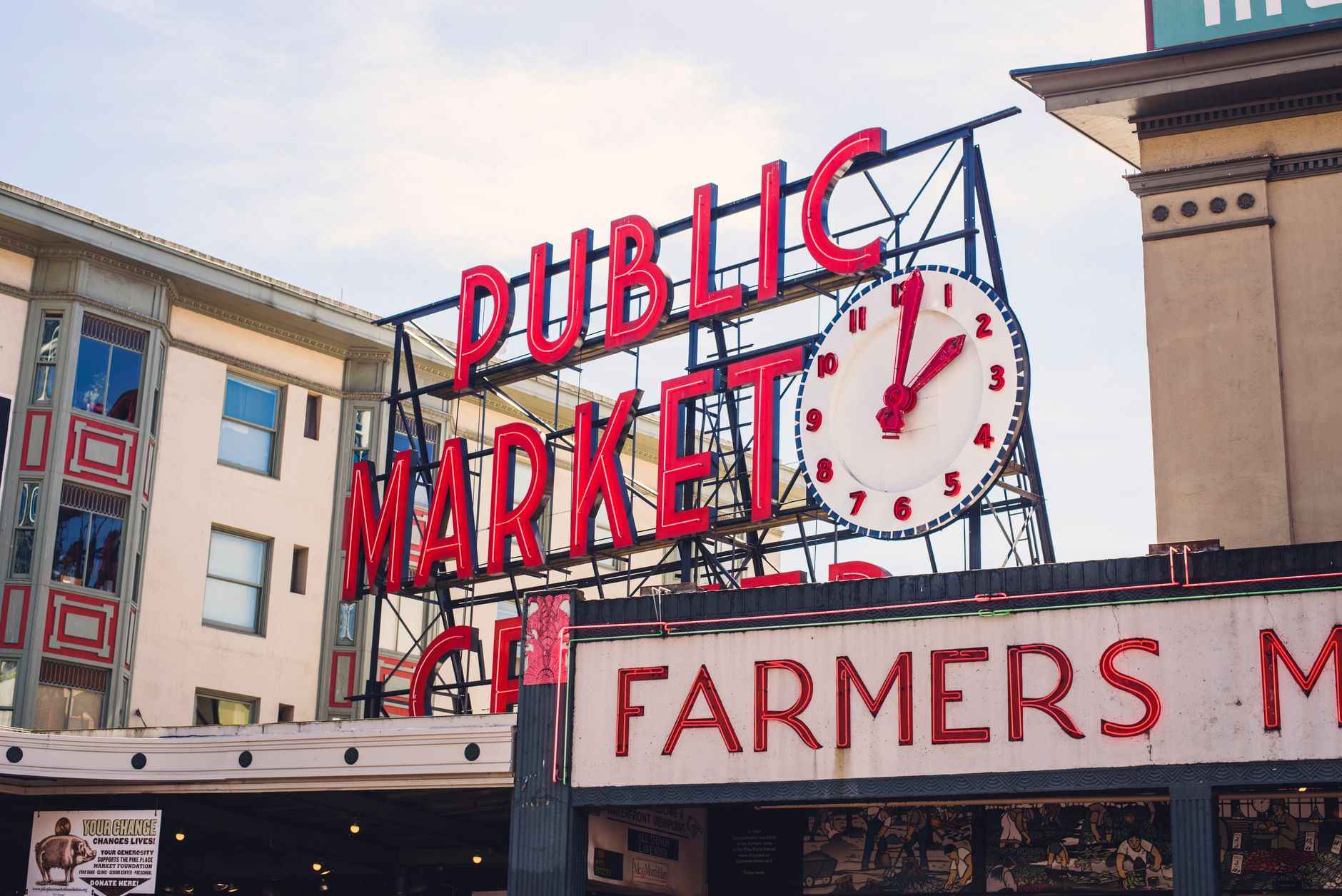
Fremont and Ballard have strong independent farm-to-table scenes. Capitol Hill has a high density of ingredient-conscious restaurants. Eastlake and South Lake Union have upscale restaurants that tend to use quality cooking fats. Pike Place Market is surrounded by restaurants that source locally and often cook with traditional fats.
More cities
