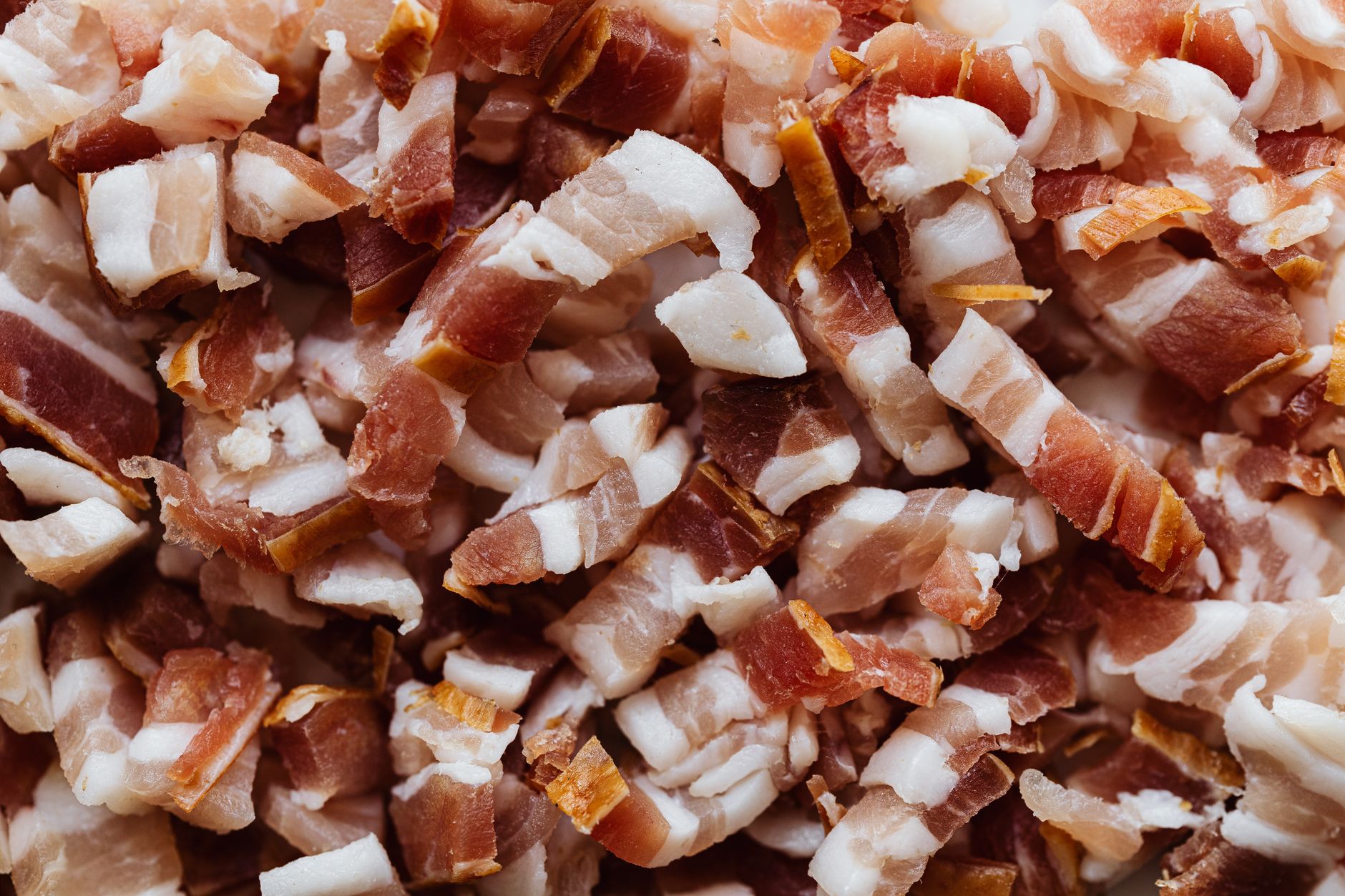
Lard was the dominant American cooking fat for most of the 20th century. The shift to vegetable shortening starting in the 1940s and 1950s was driven by marketing and cost, not by science. Lard is primarily monounsaturated fat, is stable at high heat, and produces baked goods, pie crusts, biscuits, tamales, that are categorically better than what you get from Crisco.
What lard actually is
Lard is rendered pig fat. Like tallow (rendered beef fat), it is mostly saturated and monounsaturated fat with very low polyunsaturated content. The exact fatty acid composition depends on the pig's diet: pasture-raised pigs produce lard with more monounsaturated fat and better omega-3 levels than grain-confined pigs.
The best lard comes from leaf lard, the visceral fat around the kidneys and loins. Leaf lard renders clean and white with very little pork flavor, making it ideal for pastry. Back fat lard has a slightly more pronounced pork flavor and is better for frying and savory cooking.
Why lard fell out of favor (and why that was wrong)
Lard was displaced by Crisco (partially hydrogenated vegetable shortening) starting in the 1930s and 1940s. The marketing positioned vegetable shortening as modern, clean, and healthy compared to animal fat. The medical community's subsequent demonization of saturated fat in the 1960s–1980s accelerated this shift.
The problem: partially hydrogenated vegetable oils produce trans fats, which have since been identified as clearly harmful to cardiovascular health and banned by the FDA. Lard, the fat they replaced, contains no trans fats in its natural rendered form and is primarily oleic acid (the same monounsaturated fat in olive oil).
Best lard to buy
Avoid commercial supermarket lard (Armour, etc.), these are often partially hydrogenated or from poorly sourced animals. Look for pasture-raised sources.
Our Pick
Fatworks Pasture-Raised Leaf Lard
Leaf lard rendered from pasture-raised pigs. The cleanest, most neutral lard available for baking, virtually no pork flavor. Best for pie crusts, biscuits, and any recipe where you want a traditional animal fat without a strong taste.
Our Pick
Epic Provisions Pork Fat (Rendered Lard)
Rendered from humanely raised pigs. More widely available than Fatworks in retail stores. Good for frying and savory cooking. Mild pork flavor that complements most applications.
What to cook with lard
Rendering your own lard
If you have a butcher relationship, ask for pork fatback or leaf fat (kidney fat). These are usually inexpensive, butchers often have excess fat they would otherwise discard. Cut into small pieces, add to a heavy pot with a splash of water to prevent scorching, and cook on very low heat for 2–3 hours until fully rendered and the cracklings are golden.
Strain through a fine mesh strainer, pour into glass jars, and let cool. Home-rendered lard from a known pasture-raised source is better than anything commercially available. It keeps at room temperature for weeks or refrigerated for months.
Quick facts
More cooking oils